How to Read the Bible
Method, context, and confidence. How the Bible came together, how to study it, and how to read it the way it was written.
-
One Letter, Every Tool

Twenty-five verses, one runaway slave, and every tool in the box. A complete study of Philemon, start to finish, and your sending off. Part ten of Feed Yourself. Continue reading
-
Why Your Translations Disagree, and Why That’s a Gift

Propitiation. Sacrifice of atonement. Mercy seat. Three translations, three phrases, one Greek word too rich for any of them. The poor man’s commentary. Part nine of Feed Yourself. Continue reading
-
You Don’t Read a Psalm Like a Contract

The devil quoted Psalm 91 to Jesus accurately. His error was reading poetry like a promissory note. Learning the rules each kind of Scripture plays by. Part eight of Feed Yourself. Continue reading
-
One Word Can Carry a Hundred Years

Biblical meditation is not emptying the mind. The Hebrew word means to mutter, even to growl. How to do an honest word study with a concordance. Part seven of Feed Yourself. Continue reading
-
The Margins Are a Map
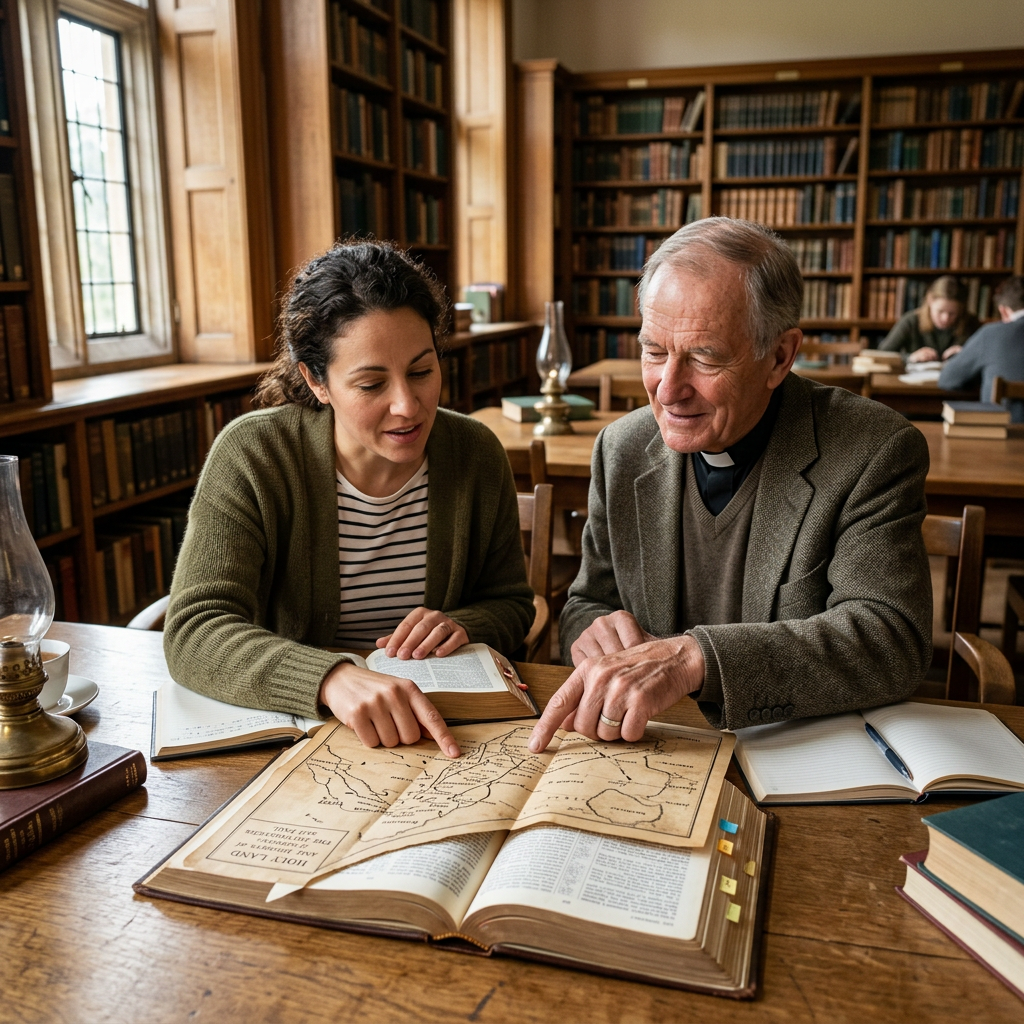
There is a study tool printed in the middle of your Bible that people pay subscriptions to get worse versions of. Following the cross references. Part six of Feed Yourself. Continue reading
-
Written to Them, Preserved for You
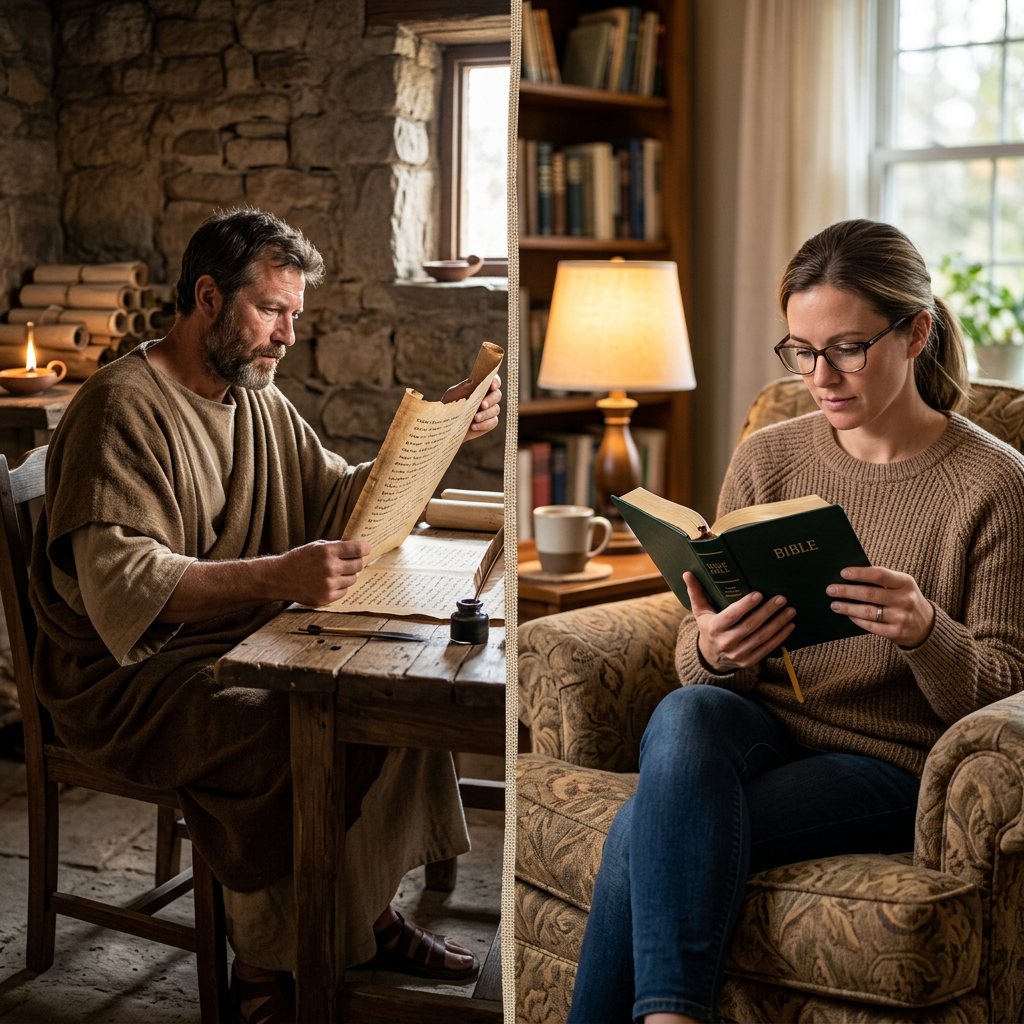
If every book of the Bible was someone else’s mail, what is left for us? The three-step bridge from what a passage meant to what it demands. Part five of Feed Yourself. Continue reading
-
What Everybody in the Room Already Knew

Why would Jesus prefer cold to lukewarm? The Laodiceans knew. Recovering the cultural background the first readers took for granted. Part four of Feed Yourself. Continue reading
-
This Letter Has Someone Else’s Name on It

Jeremiah 29:11 is on graduation cards everywhere. It was written to exiles who would die in Babylon. Learning to ask who a book was written to. Part three of Feed Yourself. Continue reading
-
Verses Are Not Fortune Cookies

The Bible is the only book we read one sentence at a time. The cheapest, fastest fix in all of Bible study takes ninety seconds to prove. Part two of Feed Yourself. Continue reading
-
Stop Eating From Someone Else’s Plate

When was the last time you learned something from the Bible that nobody handed you? A new series on studying Scripture with your own two hands. Part one of Feed Yourself. Continue reading
-
Can I Trust the Bible? (Part 7) — Can I Trust It With My Life?

We have come a long way. Behind us now are the questions of where the book came from, whether it was copied faithfully, the contradictions, the passages that trouble you, and whether the central events actually happened. If you have followed all six, you have real answers now, better answers than the doubt had led… Continue reading
-
Can I Trust the Bible? (Part 6) — Did It Really Happen?
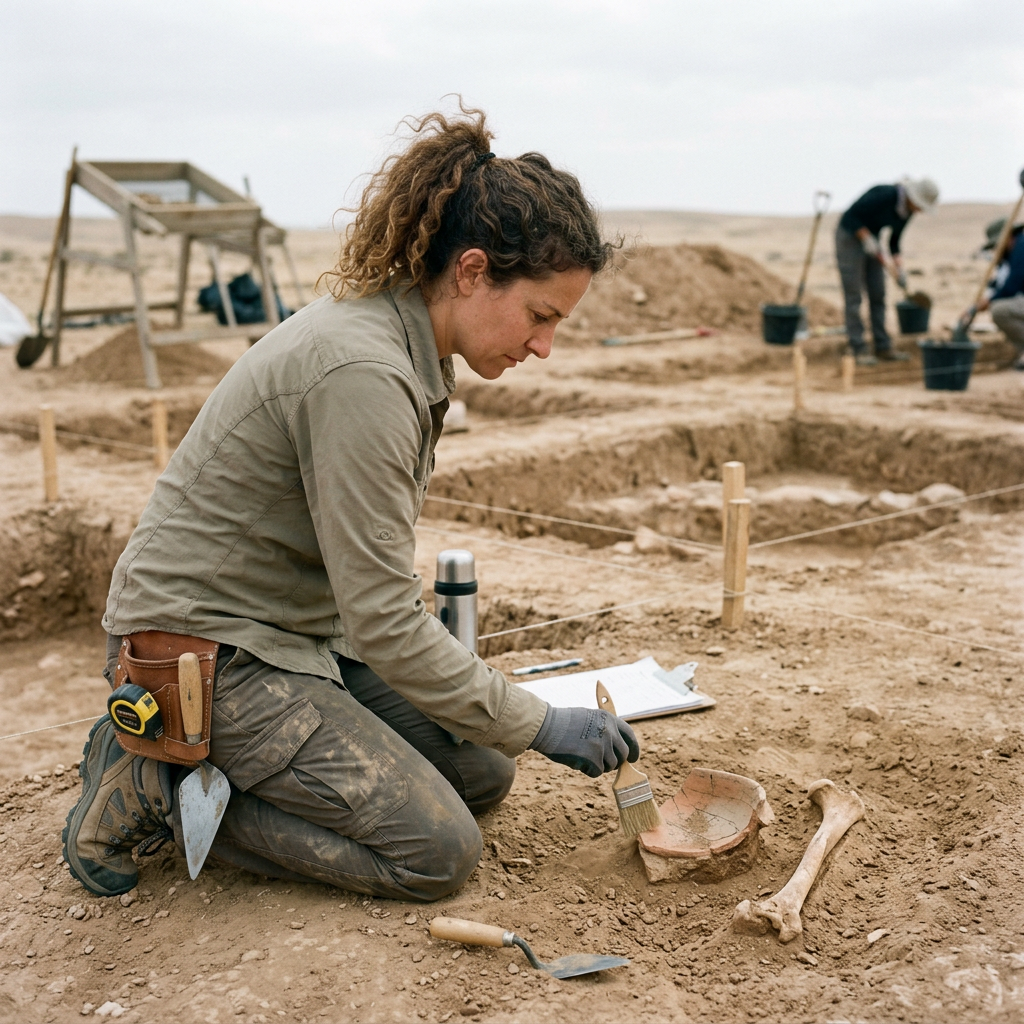
So far we have asked where the book came from, whether it survived the copying, and how to read its hard seams. But under all of it sits a simpler, heavier question, and it is the one that keeps a believer awake more than any other. Is any of it real? Did these things actually… Continue reading
-
Can I Trust the Bible? (Part 5) — What About the Parts That Trouble Me?

This is the post I almost did not want to write, because it is the one that gets closest to the bone. The other questions are things you could debate at arm’s length. This one is different. This is the passage you read in your quiet time and then sat there, unsettled, and closed the… Continue reading
-
Can I Trust the Bible? (Part 4) — What About the Contradictions?

Sooner or later someone hands you a list. A tidy column of Bible verses that supposedly cannot both be true, printed up to prove the whole thing collapses under its own weight. Maybe you have seen one. Maybe you have made a quiet list of your own, verses you noticed did not seem to line… Continue reading
-
Can I Trust the Bible? (Part 3) — Hasn’t It Been Copied and Changed a Thousand Times?

Everybody has played the game. You sit in a circle, somebody whispers a sentence, and by the time it goes around the room “the cat sat on the mat” has become something about a hat and a bad first date. We laugh because we all know the truth it points to. Copy a thing enough… Continue reading
-
Can I Trust the Bible? (Part 2) — Where Did This Book Even Come From?

Somewhere along the way, a lot of us picked up a picture of how the Bible came together, and the picture is a room. A room full of powerful men in robes, four hundred years after Jesus, arguing over which books to keep and which to burn. Somebody bangs a gavel. Politics wins. The winners… Continue reading
-
Can I Trust the Bible? (Part 1) — You’re Allowed to Ask This

A seven-part series for anyone who believes and still lies awake wondering. A note before we start This series is not written to win an argument. It is written for the person in the pew. Maybe that is you. You showed up Sunday. You sang the songs. You would tell anyone who asked that you… Continue reading
-
So How Is It For You?

Part 7 of the series “Written For You, Not To You,” on the proper way to read the Bible. We have spent six posts taking things away from you. You are not the hero. It is not your mail. That is not your promise. If that were the whole series, I would have done you… Continue reading
-
That Promise Had an Address, and It Wasn’t Yours
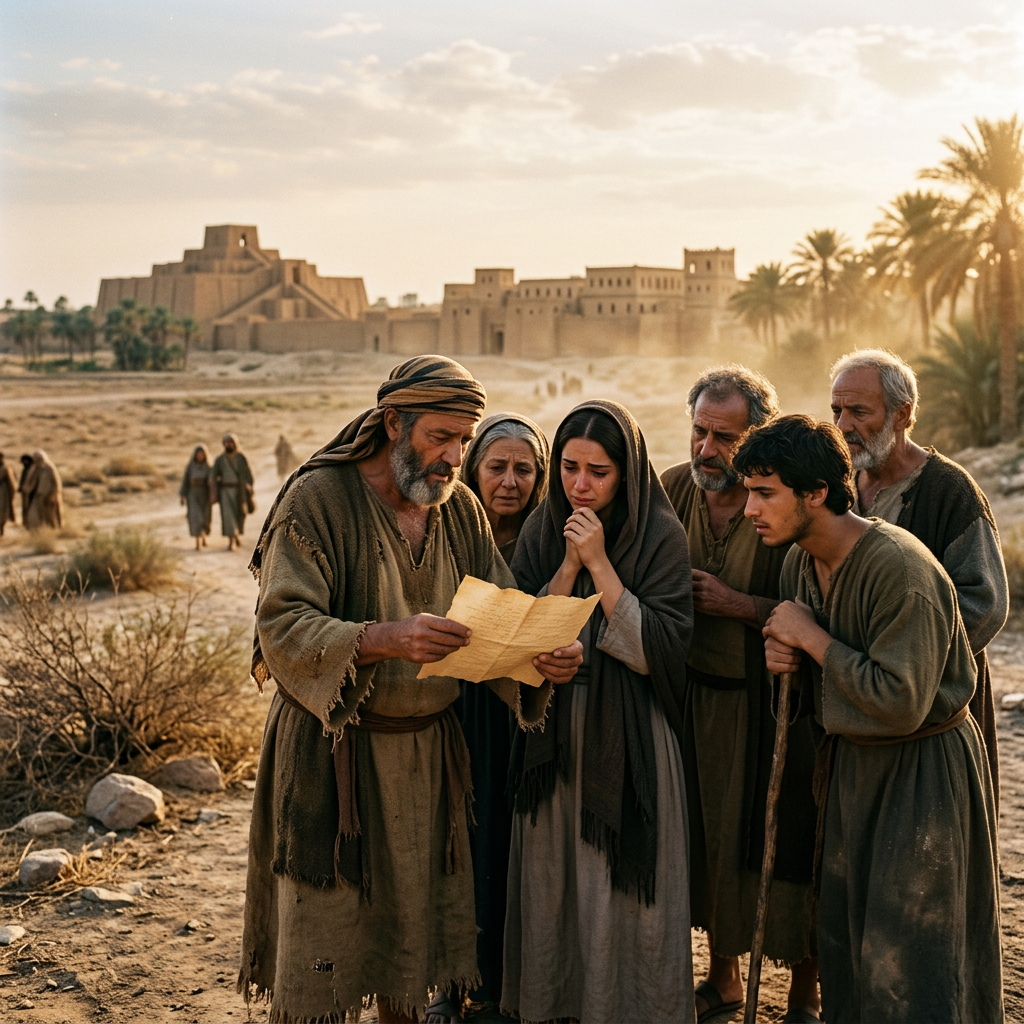
Part 6 of the series “Written For You, Not To You,” on the proper way to read the Bible. I promised you back in the first post that I would give Jeremiah 29:11 back to you. It is time. But to give it back the right way, I first have to take it apart, because… Continue reading
-
Did God Command That, or Just Record It?

Part 5 of the series “Written For You, Not To You,” on the proper way to read the Bible. A man once told me, with total sincerity, that he made big decisions the way Gideon did. He would lay out a “fleece.” God, if you want me to take this job, let it rain tomorrow.… Continue reading
-
Read It the Way It Was Written

Part 4 of the series “Written For You, Not To You,” on the proper way to read the Bible. You already know how to do this. You do it every day without thinking. When you read the weather report, you take it flat. Rain Thursday means rain Thursday. When you read a love note, you… Continue reading
-
You’re Reading Somebody Else’s Mail

Part 3 of the series “Written For You, Not To You,” on the proper way to read the Bible. Imagine you found a letter in an old shoebox at an estate sale. No envelope, no date, the top corner torn off. It opens in the middle of a fight. “You have to stop letting your… Continue reading
-
You Are Not the Hero of This Story

Part 2 of the series “Written For You, Not To You,” on the proper way to read the Bible. Every Sunday school flannelgraph got this wrong, and I say that with love, because I grew up on those flannelgraphs. A small shepherd boy stands in a dry valley. A giant roars across the way. The… Continue reading
-
Not Written To You, But Written For You

Part 1 of the series “Written For You, Not To You,” on the proper way to read the Bible. There is a verse cross-stitched on pillows and printed on coffee mugs and quoted at graduations every spring. “For I know the thoughts that I think toward you, says the Lord, thoughts of peace and not… Continue reading
-
Rightly Divided — Part 5: The Whole Story

This is the final post in a five-part series on how to study the Bible. Parts 1 through 4 covered posture, the OIA method, literary genre, and Greek and Hebrew word study. This session zooms out to the largest possible view — the Bible as a single, unified story — and closes with a practical… Continue reading
-
Rightly Divided — Part 4: Mining the Words

This is the fourth post in a five-part series on how to study the Bible. Parts 1 through 3 covered posture, the OIA method, and literary genre. This session goes deeper into the text itself — into the original languages that Scripture was written in and the tools that make them accessible to every serious… Continue reading
-
Rightly Divided — Part 3: Reading the Map

This is the third post in a five-part series on how to study the Bible. Parts 1 and 2 covered posture and the Observation-Interpretation-Application method. This session builds on both by addressing one of the most commonly overlooked skills in Bible reading: recognizing literary genre. Imagine picking up a newspaper and reading the editorial page… Continue reading
-
Rightly Divided — Part 2: Learning to See

This is the second post in a five-part series on how to study the Bible. If you missed Part 1, start there — it lays the foundation of posture and theology that everything in this series builds on. There is a particular kind of frustration that comes from reading a passage you have read many… Continue reading
-
Rightly Divided — Part 1: The Book That Reads You

This is the first post in a five-part series on how to study the Bible. Whether you have been reading Scripture for decades or you are just beginning, this series is designed to help you engage the biblical text with greater confidence, depth, and joy. There is a moment that every serious Bible reader eventually… Continue reading
-
God’s Love Letter To You: The Minor Prophets

Hosea • Joel • Amos • Obadiah • Jonah • Micah • Nahum • Habakkuk • Zephaniah • Haggai • Zechariah • Malachi Introduction: Twelve Voices, One Message In our previous installment, we surveyed the Major Prophets—Isaiah, Jeremiah, Lamentations, Ezekiel, and Daniel—and heard God speak through His messengers to a covenant people in crisis. Those… Continue reading
-
God’s Love Letter To You: The Major Prophets

Isaiah • Jeremiah • Lamentations • Ezekiel • Daniel Introduction: When God Speaks Through His Messengers In our previous installment, we walked through the wisdom and poetry books of the Old Testament—Job, Psalms, Proverbs, Ecclesiastes, and Song of Solomon. Those books taught us how to live: how to worship, how to grieve, how to think… Continue reading
-
God’s Love Letter To You: The Wisdom & Poetry Books
Job • Psalms • Proverbs • Ecclesiastes • Song of Solomon INTRODUCTION: FROM NARRATIVE TO REFLECTION—HOW ISRAEL WORSHIPED, WEPT, AND WRESTLED The historical books told us what happened. The wisdom and poetry books tell us how to live—and how to process life with God when the answers don’t come easily. These five books step out… Continue reading
-
God’s Love Letter To You: The Pentateuch

Big Concepts, Theology & the Unified Story of Scripture Genesis • Exodus • Leviticus • Numbers • Deuteronomy INTRODUCTION: THE FOUNDATION OF EVERYTHING The Pentateuch—Genesis, Exodus, Leviticus, Numbers, and Deuteronomy—is the foundation upon which every other book of the Bible rests. The Hebrew name for these five books is Torah, which means not merely “law”… Continue reading
-
God’s Love Letter To You: The Historical Books, Part 2

1–2 Kings • 1–2 Chronicles • Ezra • Nehemiah • Esther INTRODUCTION: THE RISE, THE FALL, AND THE FAITHFUL REMNANT The last installment ended with David’s kingdom established, God’s covenant secured, and an eternal throne promised. Now the question shifts from “Will God keep His promise?” to “What happens when His people fail to keep… Continue reading
-
God’s Love Letter To You: The Historical Books, Part 1

Joshua • Judges • Ruth • 1 Samuel • 2 Samuel INTRODUCTION: FROM PROMISE TO POSSESSION—AND THE LONG STRUGGLE TO REMAIN FAITHFUL The Pentateuch ended with Israel poised on the eastern bank of the Jordan, the promised land visible across the river, and Moses buried in an unmarked grave. Everything was in place: God’s covenant,… Continue reading
-
God’s Love Letter To You: The Revelation

The Book of Revelation The Lamb Who Conquers: God’s Ultimate Victory and the New Creation INTRODUCTION: THE BIBLE’S GRAND FINALE Every great story drives toward a resolution. The Bible is no exception. Genesis opens with God creating the heavens and the earth, placing humanity in a garden, and walking with them in the cool of… Continue reading
-
God’s Love Letter To You: The General Epistles

Hebrews • James • 1 & 2 Peter • 1, 2 & 3 John • Jude INTRODUCTION: VOICES BEYOND PAUL The General Epistles—Hebrews, James, 1–2 Peter, 1–3 John, and Jude—are called “general” or “catholic” because most are addressed to wide audiences rather than specific churches. They provide perspectives beyond Paul: a Jewish-Christian emphasis on practical… Continue reading
-
God’s Love Letter To You: Paul’s Shorter Epistles

INSTALLMENT FOUR Paul’s Shorter Epistles 1 & 2 Thessalonians • 1 & 2 Timothy • Titus • Philemon INTRODUCTION: THE PRACTICAL EDGE OF PAUL’S THEOLOGY Paul’s shorter epistles represent theology meeting the ground. Where Romans and Ephesians soar to doctrinal heights, these six letters bring the gospel into the trenches of daily ministry: a young… Continue reading
-
God’s Love Letter To You: Paul’s Major Epistles

Big Concepts, Theology & the Unified Story of Scripture INSTALLMENT THREE Paul’s Major Epistles Romans • 1 & 2 Corinthians • Galatians • Ephesians • Philippians • Colossians INTRODUCTION: THE HEART OF PAUL’S THEOLOGY Paul’s major epistles—Romans, 1 and 2 Corinthians, Galatians, Ephesians, Philippians, and Colossians—form the theological backbone of the New Testament. Together they… Continue reading
-
God’s Love Letter to You: Insights From Acts

The Spirit Unleashed: From Jerusalem to the Ends of the Earth INTRODUCTION: THE BRIDGE BOOK If the Gospels tell us what Jesus began to do, Acts tells us what He continued to do through His Spirit-empowered church. Without Acts, we would have no idea how a handful of frightened Galileans in an upper room became… Continue reading
-
God’s Love Letter to You: Insights from the Gospels, Part One

Big Concepts, Theology & the Unified Story of Scripture INSTALLMENT ONE The Four Gospels – Matthew • Mark • Luke • John Whether you are a new believer, or a more seasoned church goer, we all have our struggles with knowing we /should/ read our bibles and seek the Lord, but sadly we are experiencing… Continue reading
-
Does the Bible say that?

[Mar 7:13 NKJV] 13 “making the word of God of no effect through your tradition which you have handed down. And many such things you do.” Saying: “God helps those who help themselves.” Why it’s problematic: Contradicts the gospel, as Scripture shows God aiding the helpless. Romans 5:8 (NKJV): “But God demonstrates His own love… Continue reading
The Believer’s Creed
I believe in the eternal God—
Father, Son, and Holy Spirit—
One in essence, infinite in glory,
the Maker of heaven and earth,
whose wisdom shaped all things seen and unseen.
I believe in Jesus Christ,
the only begotten Son of God,
conceived by the Holy Spirit,
born of the Virgin Mary,
holy and humble, yet Lord of all.
He suffered under Pontius Pilate,
was crucified, died, and was buried;
He descended into the depths of hell,
and on the third day He rose victorious.
He ascended into heaven,
and now reigns at the right hand of the Father,
from where He will come again
to judge the living and the dead.
I believe in the Holy Spirit,
the breath and power of God within us,
who gives life, convicts hearts, and sustains faith.
Through the Spirit, the Church is made holy,
a communion of saints across all generations.
I believe in the forgiveness of sins,
the resurrection of the body,
and life everlasting in the presence of God.
I believe in the sacred mystery of the Trinity—
not three gods, but one holy unity:
Father, Son, and Spirit—eternal, unchanging, divine.
I believe in the sacred story revealed in Scripture:
that from the beginning, light has warred against darkness,
and though the enemy rose in pride,
God’s promise prevailed through the Seed—
Christ Jesus, born of a woman,
who triumphed through His cross and empty tomb.
I believe salvation is a gift of grace—
received by faith, sealed by repentance,
and made real through the transforming love of God.
I believe the Bible is the inspired Word of God,
a lamp for our path and truth for every soul.
I believe in the call of baptism—
a burial of the old, a rising to new life in Christ.
I believe the Holy Spirit empowers believers
with gifts of healing, wisdom, and tongues,
that we may glorify God and serve the world in love.
I believe in divine healing,
for the power that raised Christ from the grave
still moves with mercy among His people.
The Believer’s Charge
We believe that we are called and anointed—
not as spectators, but as servants of the living God.
We are His witnesses in all the earth,
ambassadors of reconciliation and bearers of His light.
We believe that Christ has commissioned us
to go into the world and proclaim His gospel,
to speak truth to the lost and hope to the broken,
to open blind eyes and set captives free.
In His name we move without fear,
for the Spirit goes before us with power and signs.
We believe the promise of our Lord:
that these signs will follow those who believe—
we shall cast out demons in His name,
speak with new tongues of heavenly fire,
lay hands upon the sick and see them restored,
tread upon the works of the enemy,
and walk in the authority of the risen Christ.
We believe that the Spirit within us
confirms the Word with power and grace—
that we are vessels of His love,
agents of His mercy,
and temples of His presence.
We choose to live as those sent by God,
our hearts aflame with His gospel,
our hands ready to serve,
our voices lifted in praise,
our lives poured out for His glory.
The Blessed Hope
I believe in the glorious return of Jesus Christ,
who will restore all things
and reign in righteousness and peace.
And I believe in eternal life—
the home prepared for the redeemed,
and the solemn truth of judgment for the unrepentant.
This is our faith, our confession, our calling, and our hope.
To God be the glory—forever and ever.
Amen.